King's College London scientists map cancer drugs inside living cells
Imagine fighting cancer and knowing precisely where the medicine is working inside your body. Scientists at King's College London have developed a revolutionary new method that lets them see exactly where cancer drugs accumulate inside living cells. This breakthrough could dramatically improve how we design and deliver cancer treatments.
Pinpointing the enemy
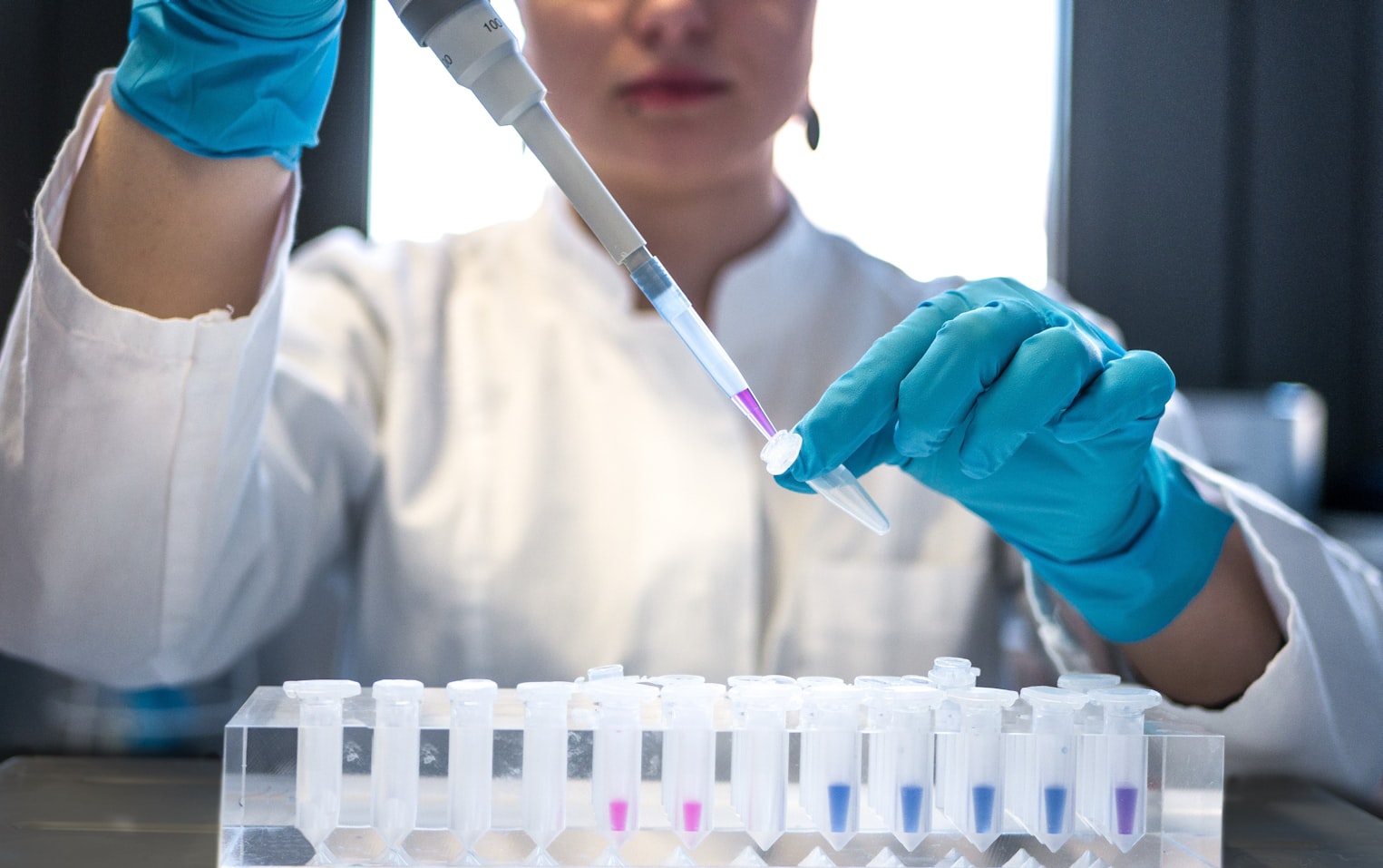
The new technique, developed by researchers from King's College London and the University of Surrey, can detect tiny amounts of metal inside individual living cells and their internal compartments. Crucially, it does this without needing to kill the cells first. This is a massive step forward for understanding targeted radionuclide therapy, a treatment that uses radioactive particles to attack tumour cells.
A vital location
Where a drug ends up inside a cell is critical for its effectiveness. If it reaches the nucleus, it can damage cancer DNA. Until now, there hasn't been a reliable way to measure this in living cells.
"We developed this method using two specialist facilities – the SEISMIC facility at King’s College London and the University of Surrey’s ICP-MS facility," explained Dr Monica Felipe-Sotelo, Senior Lecturer in Radiochemistry and Analytical Chemistry at the University of Surrey and co-author. "Together, they allowed us to combine the cell-sampling and metal-detection steps in a single workflow for the first time."
Precision targeting
The team used incredibly fine glass capillary tips to extract individual living pancreatic cancer cells and even material from within them, like mitochondria. The SEISMIC facility at King's provided the sampling capability. Surrey's advanced mass spectrometry then detected the metal.
This combination of sub-cellular sampling and advanced detection has never been done before. It allows scientists to ask not just if a drug enters a cell, but precisely where it goes.
Beyond cancer
The potential of this new method extends far beyond cancer research. "The potential here goes well beyond cancer," said Dr Claire Davison, Postdoctoral Research Associate at King's and co-author. "Metals play important roles in a wide range of diseases – from infectious disease to diabetes and liver conditions – and we have few tools for studying exactly where they are accumulating within cells."
This technique could help us understand how any metal-based drug or toxic substance behaves inside living cells, opening up new avenues for treating a variety of illnesses.
Related Content
MORE: King's College London scientists create new brain organoid system — https://southlondonnews.com/2026/04/07/kings-college-london-scientists-create-new-brain-organoid-system/
MORE: King's College London scientists unlock quantum secrets — https://southlondonnews.com/2026/04/16/kings-college-london-scientists-unlock-quantum-secrets/
MORE: King's College London: Power cuts could spark mass heat deaths in Gulf — https://southlondonnews.com/2026/04/08/kings-college-london-power-cuts-could-spark-mass-heat-deaths-in-gulf/
OFFICIAL SOURCE VERIFICATION:
This report is based on official data from King's College London.
Document: New technique maps cancer drug uptake inside living cells | King's College London
Source Link: https://www.kcl.ac.uk/news/new-technique-maps-cancer-drug-uptake-inside-living-cells
Author




Subscribe for $2 every four weeks for the first six months
Subscribe for $20 every four weeks for the first six months