King's College London: Power cuts could spark mass heat deaths in Gulf
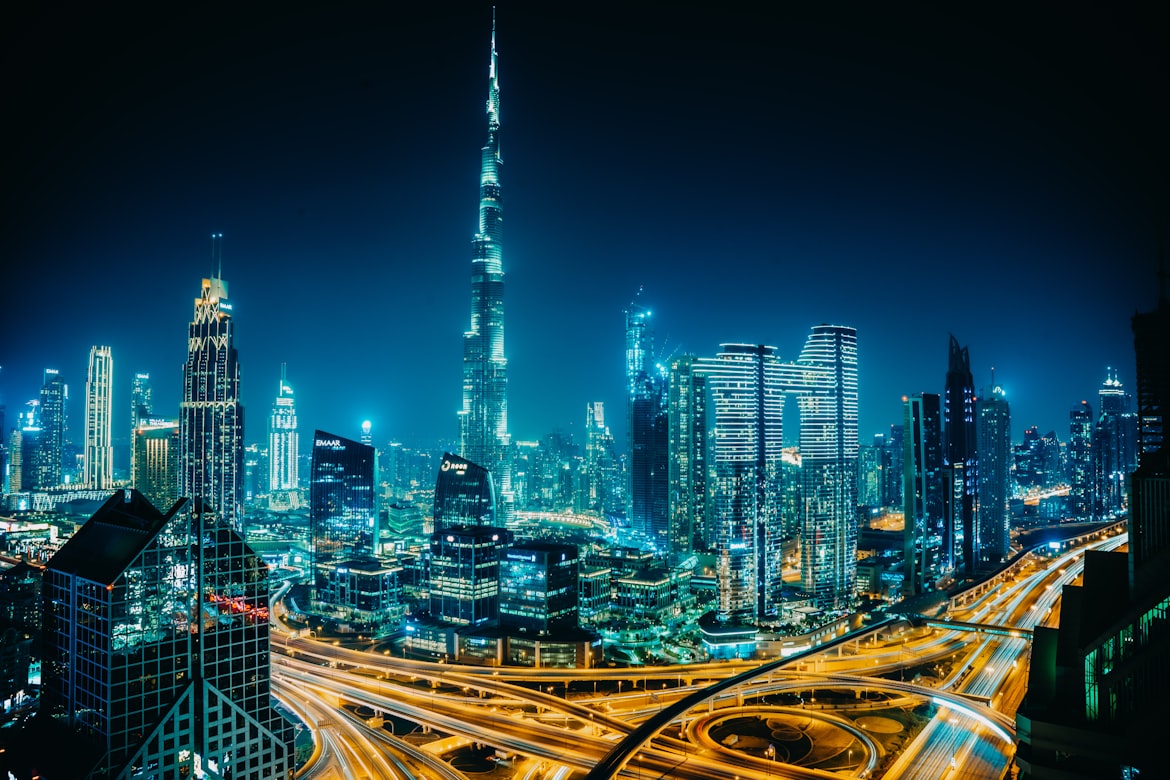
Millions in the Persian Gulf could face deadly heat if power supplies are cut, experts from King's College London have warned. The region experiences some of the planet's most intense heat and humidity.
Air Con is a Lifeline
Large-scale heat deaths have so far been avoided thanks to near-universal access to reliable air conditioning. But a failure of electricity supplies could rapidly turn extreme heat into a mass killer.
The experts, including those from King's College London, say removing that protection could be catastrophic for human health. The region is not safe from heat - it is protected from it.
Dr Tom Matthews, Senior Lecturer in Environmental Geography at King's College London, said: "Around the Persian Gulf, temperatures are often even higher. These environments operate very close to the limits of human tolerance. Once cooling is lost, lethal heat stress can emerge within hours."
The warnings come amid rising tensions over potential attacks on civilian infrastructure in the region. Analysts say such systems are already vulnerable.
Recent events highlight the scale of the risk. During the 2024 Hajj pilgrimage, over 1,300 people died from heat exposure.
Healthcare Systems Overwhelmed
Countries like the UAE and Kuwait have reliable power systems. But scientists warn any successful attack or prolonged outage could expose millions to extreme conditions.
Health systems could be quickly overwhelmed. During a 2021 heatwave in the US, emergency visits for heat illness rose by nearly 70 times.
"Healthcare systems are not designed to manage sudden, mass heat exposure," said Dr Robert Meade from Harvard University. "Once emergency services are stretched beyond capacity, mortality can rise very rapidly."
Power failures could also disrupt cooling for medicines, vaccines, and food supplies. This could create secondary health crises.
Vulnerable groups, including women and migrant workers, already face the greatest health impacts from extreme heat. They would likely face disproportionate risks if air conditioning becomes more limited.
"In extreme heat and humidity, survival can be measured in hours," said Dr Josh Foster, from King's College London. "This risk needs to be understood now, before decisions are taken that could have irreversible consequences."
The consequences would not be confined to the region. Disruptions to Gulf oil and gas exports could worsen fuel shortages in other hot, densely populated countries.
"The extreme risk to lives and livelihoods inherent to latent heat risks demonstrates that risks in a warming world are always compounded, systemic and extreme," says Dr Pauline Heinrichs, from King's College London. "Wars exacerbate these risks. We need to get back to a security strategy that reflects this reality and protects people and the environment as a first order priority."
Related Content
OFFICIAL SOURCE VERIFICATION:
This report is based on official data from King's College London.
Document: Extreme heat deaths could surge in Gulf if power supplies are disrupted, experts warn | King's College London
Source Link: https://www.kcl.ac.uk/news/extreme-heat-deaths-could-surge-in-gulf-if-power-supplies-are-disrupted-experts-warn
Author




Subscribe for $2 every four weeks for the first six months
Subscribe for $20 every four weeks for the first six months